
The historical evolution of gambling A journey through time and culture
The Origins of Gambling: Ancient Civilizations
The history of gambling can be traced back to ancient civilizations, where it played an integral role in social and religious practices. Archaeological evidence shows that dice made from animal bones date back to 3000 BCE in Mesopotamia. These rudimentary games of chance were often linked to rituals and divination, reflecting the intertwined nature of gaming and spirituality. Similarly, ancient Egyptians engaged in betting on various games, indicating that the allure of chance has captivated human interest for millennia. Today, one can explore this captivating world further through platforms like https://mrfortunecasino-canada.com, which highlights the evolution of gambling through technological advancements.
The Greeks and Romans further popularized gambling, incorporating it into their cultural fabric. In ancient Greece, games of chance such as knucklebones were common during religious festivals. The Romans, on the other hand, had a more organized approach to gambling with public games and betting on gladiatorial contests. This evolution indicates that as societies developed, so too did their means of engaging with luck and chance, leading to the establishment of structured gambling environments.
Throughout history, these early forms of gambling laid the groundwork for the complex systems we see today. The fascination with betting transcended geographical boundaries, evolving into diverse forms influenced by local customs and traditions. This historical context reveals how gambling has always been more than mere entertainment; it has been a reflection of societal values, norms, and the human desire for risk and reward.
The Middle Ages: Regulation and Stigma
The Middle Ages brought about significant changes in the perception and regulation of gambling. During this period, many European societies viewed gambling with suspicion, associating it with moral decline and excess. The Church played a crucial role in shaping these views, denouncing gambling as a sin. This led to various prohibitions and attempts to control gambling activities, highlighting a societal struggle with the moral implications of chance-based activities.
Despite the negative perception, gambling persisted in various forms, evolving into more organized activities. The introduction of card games in Europe during the 14th century marked a significant development in the evolution of gambling. These games quickly gained popularity among nobility and commoners alike, demonstrating the enduring appeal of chance. The tension between regulation and participation created a complex dynamic that shaped the future of gambling.
By the end of the Middle Ages, the emergence of gambling houses and the establishment of lotteries began to reshape the landscape. While still facing scrutiny, these activities became more accepted in certain circles, reflecting a gradual shift in societal attitudes. This tension between regulation and acceptance would continue to influence the evolution of gambling in subsequent centuries, paving the way for the more liberal attitudes that emerged in the modern era.
The Age of Enlightenment: Gambling Becomes Mainstream
The Age of Enlightenment marked a pivotal moment in the history of gambling. With the rise of rational thought and individualism, gambling began to be viewed as a form of entertainment rather than merely a moral failing. In the 17th and 18th centuries, public gambling houses became increasingly common, providing venues for a variety of games, from cards to roulette. This shift reflected broader changes in society, including the growing acceptance of leisure and the pursuit of pleasure.
In France, the establishment of the first legal casino in the early 19th century epitomized this transformation. As a regulated environment for gambling, it attracted diverse patrons and set the standard for future gambling establishments worldwide. The casino culture that emerged from this period highlighted the importance of social interaction in gambling, as people began to gather to share in the excitement of chance-based games.
This era also saw the introduction of more sophisticated gambling games, as innovations in game design and the establishment of rules brought a new level of strategy and skill. The creation of standardized decks of cards and the popularization of various games enhanced the experience for players. Overall, the Age of Enlightenment represented a turning point in gambling history, leading to its widespread acceptance and incorporation into everyday life.
The 20th Century: Technological Advancements and Globalization
The 20th century witnessed unprecedented changes in the gambling landscape, largely driven by technological advancements and globalization. The introduction of electronic gaming machines in the 1960s revolutionized the gambling experience. These machines offered new forms of entertainment and expanded access to gambling, making it more appealing to a broader audience. The shift from traditional games to electronic formats represented a significant evolution, marking the beginning of a digital age in gambling.
The legalization of gambling in various regions around the world further contributed to its growth during this period. Countries began to recognize the economic benefits of regulated gambling, leading to the establishment of casinos in locations like Las Vegas and Atlantic City. This boom in the gambling industry resulted in increased tourism and economic development, showcasing the potential of gambling as a legitimate business.
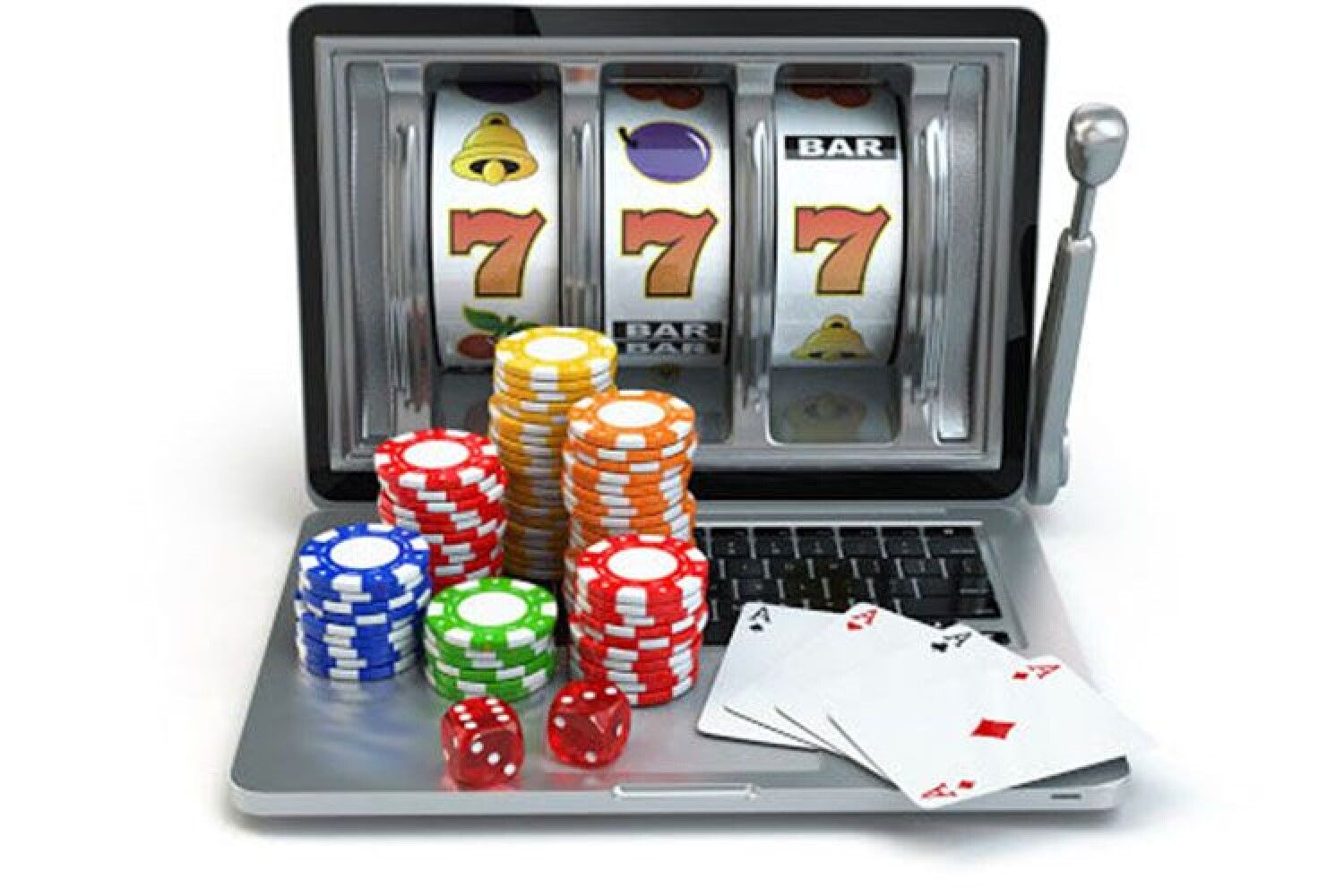
As globalization continued to expand, online gambling emerged in the late 1990s, forever changing the way people engage with games of chance. With the advent of the internet, players could now access casinos and betting platforms from the comfort of their homes. This shift not only increased participation but also transformed the gambling landscape, paving the way for innovations in mobile gaming and live dealer experiences, bringing gambling to a new, digital era.
The Modern Era: Online Gambling and Cultural Integration
Today, gambling has evolved into a sophisticated industry, deeply integrated into various cultures around the world. Online gambling platforms have proliferated, offering a vast array of games and betting options. Sites like Mr Fortune Casino provide players with access to thousands of games, demonstrating the industry’s ability to adapt to changing technologies and consumer preferences. This accessibility has transformed how people engage with gambling, fostering a global community of players.
The modern gambling industry also emphasizes responsible gaming, with many platforms implementing measures to ensure player safety and well-being. Educational initiatives and self-regulation have become vital components of the industry, reflecting a growing awareness of the potential risks associated with gambling. As societal attitudes toward gambling continue to evolve, these measures serve to promote a healthier relationship between players and the games they enjoy.
Moreover, the cultural integration of gambling has led to a rich tapestry of traditions and practices worldwide. From the opulence of Las Vegas to the vibrant street games in various countries, gambling reflects cultural identities and social interactions. As technology continues to advance, the future of gambling promises even more innovation and diversity, ensuring that this age-old practice remains relevant and engaging for generations to come.

Leave a reply