
The Allure of Risk and Reward
The thrill of risk and reward is fundamental to the psychology of casino games. Players are inherently drawn to the potential of winning big, often outweighing the fear of loss. This allure is driven by a psychological phenomenon known as ‘gamification,’ where elements of games are applied to non-game contexts. Many enjoy exploring the best online pokies nz available, as the anticipation built around a game encourages players to engage repeatedly, as the possibility of a substantial win triggers the brain’s reward centers, creating a cycle of excitement and risk-seeking behavior.
Furthermore, the design of casino games cleverly manipulates reward mechanics to keep players engaged. Slot machines, for instance, frequently incorporate near-misses—situations where the player almost wins. This tactic increases player engagement by fostering a sense of hope and expectation. The brain releases dopamine in these moments, reinforcing the desire to continue playing. Thus, the combination of risk and the thrill of potential high reward creates a potent psychological draw, keeping players in their seats for extended periods.
Additionally, the concept of ‘loss aversion’ plays a crucial role in player behavior. Research in behavioral economics suggests that individuals experience losses more intensely than equivalent gains. In casinos, this means that the fear of losing can compel players to wager more in an attempt to regain previous losses. This behavioral tendency maintains interest and engagement, demonstrating how the interplay of risk, reward, and loss influences player behavior in casinos.
The Illusion of Control
The phenomenon of the illusion of control is another psychological factor at play in casino environments. Players often believe they can influence outcomes through their choices and behaviors, even in games governed by chance, such as roulette or card games. This belief can enhance the gaming experience, making it feel more meaningful. For instance, a player may think that a particular betting strategy improves their odds, despite statistical evidence suggesting otherwise. This cognitive bias offers a sense of agency, making players more likely to prolong their engagement with casino games.
In addition to individual strategies, players might also engage in rituals or superstitions to feel a greater sense of control. For example, some players may always wear a lucky charm or perform a specific hand movement before making a bet. These behaviors are often reinforced by occasional wins, creating a false sense of causation. The idea that personal actions can sway luck fosters a deeper emotional investment in the game, making players less likely to walk away, even when faced with losses.
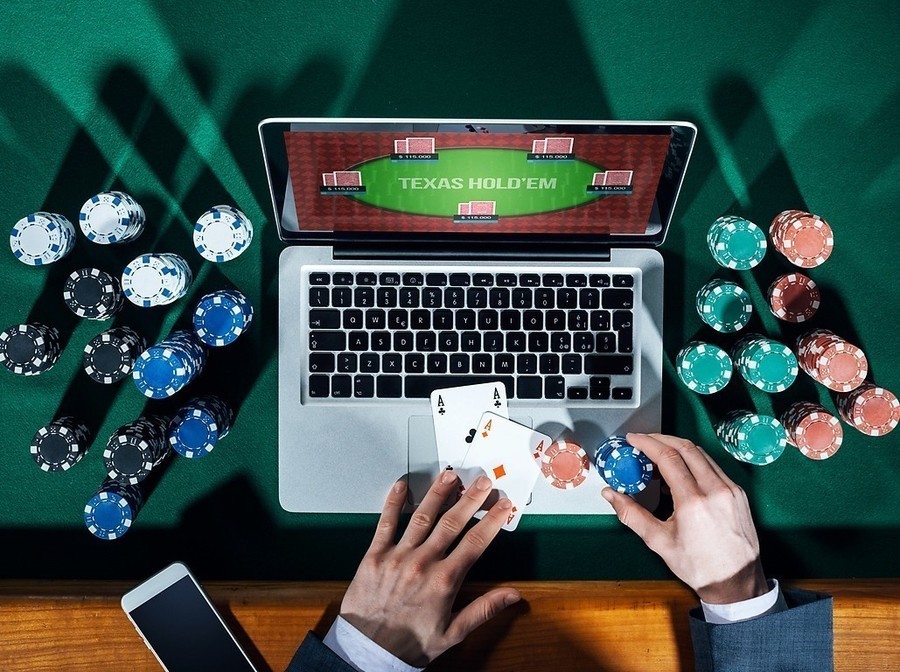
Understanding the illusion of control can help casinos design games and environments that amplify this psychological effect. By creating an atmosphere where players feel empowered and in control of their choices, casinos can enhance the overall experience, ensuring that patrons continue to return, drawn by the belief that they can influence their success.
The Role of Social Interaction
Social interaction significantly influences the psychology of casino games. Casinos are designed as social spaces where players gather, share experiences, and engage in communal activities. The interconnectedness of players can lead to heightened excitement and enjoyment, enhancing the overall gaming experience. Studies have shown that individuals tend to gamble more and for longer periods when in a social setting compared to gambling alone. The presence of friends or even strangers can create an atmosphere of camaraderie, fueling the allure of gaming.
Moreover, players often use social interactions to reinforce their gambling behaviors. Conversations about wins, strategies, or even losses serve to validate individual choices and experiences. This collective sharing nurtures a sense of community and mitigates feelings of isolation that can accompany gambling. For many, the social aspect of casino gaming can be just as rewarding as the potential financial gains, highlighting the importance of community in gambling psychology.
Casinos often capitalize on this social dynamic by offering group games, tournaments, and events that encourage cooperative play. This creates a lively atmosphere, increasing the likelihood of sustained engagement. By fostering social interactions, casinos enhance the emotional experience of gambling, drawing players back not just for the thrill of the game but for the social connections they cultivate within that environment.
The Impact of Environment Design
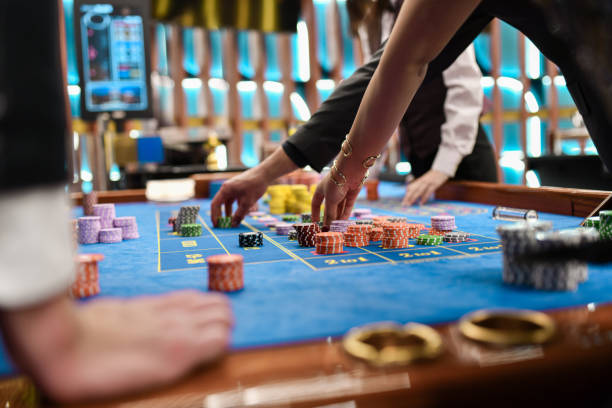
The design of a casino environment plays a pivotal role in shaping player psychology. Everything from lighting, sound, and layout is meticulously crafted to enhance the gaming experience. Bright lights and vibrant colors stimulate excitement, while the sounds of jingles and cheers create an auditory landscape that elevates the atmosphere. This carefully curated environment is designed to encourage players to spend more time and money within the casino.
Furthermore, casinos often employ strategies like scent marketing, where specific aromas are used to evoke positive emotions and encourage longer stays. Research indicates that pleasant scents can enhance mood and create a sense of comfort, making players more receptive to gambling. This psychological manipulation of the environment is intentional, designed to foster a sense of pleasure and enjoyment that compels players to engage more deeply.
Additionally, the layout of casino floors is strategically planned to facilitate movement and exploration. Players are often funneled past various games and attractions, making it easy to encounter new opportunities for play. This design promotes a sense of adventure, as players are constantly tempted by the sights and sounds of different games. Ultimately, the environment of a casino is a powerful tool that impacts player behavior, influencing decisions and extending engagement through psychological engagement.
Understanding Player Behavior: The Online Experience
To truly grasp the psychology behind casino games, it’s essential to consider how online platforms emulate traditional casino experiences. Websites dedicated to gaming create immersive environments that replicate the thrill of physical casinos, catering to the psychological needs of players. By offering a wide variety of games, engaging interfaces, and interactive features, these platforms harness the same psychological principles that keep players returning for more at brick-and-mortar establishments.
Additionally, online casinos utilize sophisticated algorithms to understand player behavior. By analyzing patterns in play, they can tailor experiences to individual preferences. This personalization enhances the sense of control and engagement, leading to prolonged play sessions. The convenience of accessing games from home amplifies the potential for gambling-related behavior, emphasizing the psychological impact of online gaming.
Ultimately, understanding player psychology is foundational for both physical and online casinos. As these platforms continue to evolve, they must remain cognizant of the psychological factors that drive engagement and behavior. By creating environments that resonate with players on a psychological level, they can foster loyalty and satisfaction, securing their position within a competitive market.
